

10 HDB Renovation Tips Every Homeowner Should Know
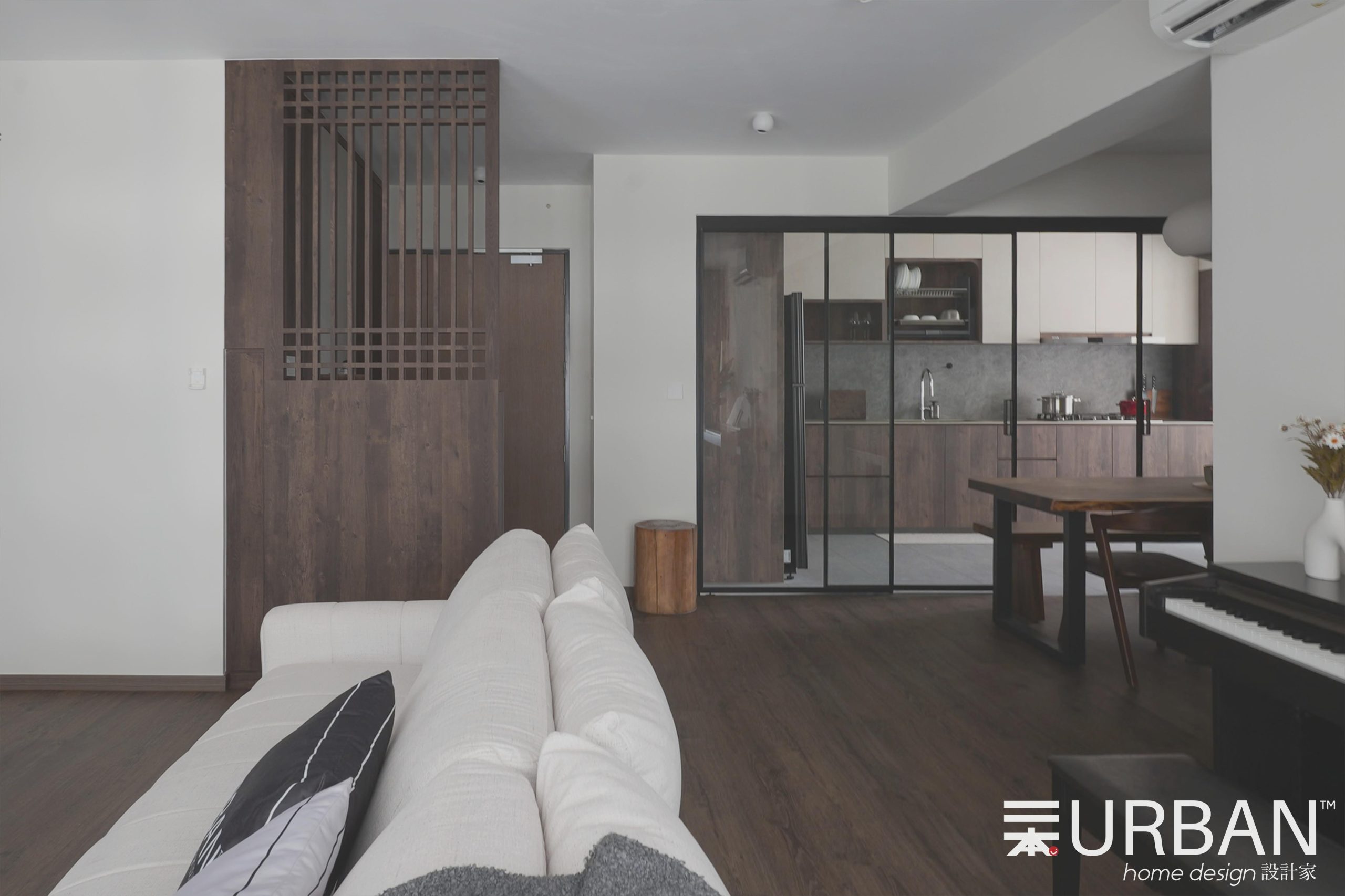
A thoughtful renovation helps your home grow into a warm, organised, and comfortable space. Many people in Singapore search for simple methods that strengthen comfort and support daily life. They want steps that feel clear, steady, and easy to follow. When each stage stays structured, the entire journey becomes calmer. People gain a clearer view of their home’s potential and shape rooms that match their routines without stress. This gentle and planned progress transforms confusion into direction and worry into confidence.
Homeowners continue to discuss home renovation in Singapore because this topic holds major significance for their property needs. Homeowners seek a clear roadmap to transform their visions into functional, bright, and balanced living spaces. The entire project becomes easier to manage when the plan functions correctly from its starting point. The process of planning effectively safeguards time while it creates better decision-making frameworks and develops systems which assist in all stages of development from initial concept to finished product. The home starts to reveal its purpose as a space which received dedicated attention and meaningful planning during each phase of development.
1. Understand Your HDB Renovation Rules Clearly
Renovating a Housing & Development Board (HDB) flat in Singapore requires a clear understanding of the guidelines to ensure safety and compliance. These rules guide what can or cannot be done when modifying walls, flooring, or built-in structures. When you understand the basics early, it helps reduce stress and allows your interior designer to plan and execute a more compliant and practical design for you. It also makes the entire renovation process easier to follow and manage.
This foundational understanding also helps you make more stable decisions that align with the building’s requirements. With this clarity, you can move through your renovation with more confidence, avoid unnecessary guesswork, and maintain a clearer sense of control throughout the project.
Key points to help you start well:
- When you understand which works require approval, the boundaries become clearer, allowing you to plan with more calm and direction every day.
- When rules guide the design process, choices become more stable and each stage of the renovation flows more smoothly.
- When everyone follows the proper procedures, the overall direction of the project becomes clearer and progress stays more consistent.
These practices help create a smoother renovation journey and provide a strong foundation for your project. This clarity also helps both you and your interior designer align more easily, as both sides have a clear understanding of what is feasible and what is not, leading to more efficient decisions and smoother communication.
2. Set a Clear Budget and Track Each Step
A strong budget supports your whole renovation. When you divide spending into simple parts like flooring, carpentry, lighting, and paint, your plan becomes easier to understand. This breakdown helps you see how each part affects your total cost. Many people also check the cost of renovating a house in Singapore to plan wisely. Clear financial planning allows you to manage your renovation with ease rather than stress. A steady budget also helps you adjust your plan without losing control.
Keep these ideas in mind:
- Breakdowns help you track how money moves and guide smart choices through every part of the day.
- Checks help you stay calm when things don’t go as planned and keep track of your daily spending.
- Discipline helps you avoid sudden cost jumps and maintain balance throughout the renovation easily.
Clear and steady tracking shapes a renovation that feels controlled rather than rushed. It also gives you freedom to adjust plans without losing direction. Strong budgeting keeps your renovation steady from the first tile to the final coat of paint.
3. Choose a Layout That Supports Daily Life
A good layout makes your home easy to use. Think about how you walk, cook, rest, and store items. When your layout matches your habits, each room feels more useful. It also makes your home feel smoother, brighter, and easier to manage. A thoughtful layout guides every design step that follows. It also clears clutter and gives each room a simple and open path.
Use these ideas to shape your layout:
- Create pathways that support easy movement and shape natural flow across your bright rooms every day.
- Build zones that match daily tasks and help each space serve your personal needs well each time.
- Shape layouts that support comfort and balance and guide movement through your home smoothly, always.
A layout that fits your day strengthens your bond with your home. It creates a space that feels warm, open, and inviting.
4. Use Smart Storage to Keep Spaces Open
Storage affects how open and neat your home feels. Built-in cabinets, shelves, and hidden spaces help you keep items organised. When things stay tidy, rooms feel larger and brighter. Good storage also keeps clutter away and helps your home stay neat during busy times. It improves the mood of each room and makes your day easier to handle. Smart storage also creates extra breathing space, giving every corner room to shine.
Think about these storage ideas:
- Add storage that keeps movement smooth and helps each room feel open and comfortable daily.
- Build tall storage to use vertical space well and help clear messy corners with ease.
- Choose designs that keep your home bright and tidy and support simple cleaning every day, too.
With smart storage, your home feels lighter and easier to enjoy.
5. Select Long-Lasting Materials for Daily Strength
Materials control how your home handles daily use. Strong flooring, steady carpentry, and easy-to-clean surfaces protect your home from damage. When you choose long-lasting materials, your home stays comfortable for years. These choices save time, reduce repairs, and create a strong base for your renovation. These choices save time, reduce future repair costs, and provide a durable foundation for your home.
Use these points when choosing materials:
- Choose a strength that handles daily use well and keeps your home feeling steady for years ahead.
- Build with materials that support long-term comfort and help each surface stay firm always too.
- Pick surfaces that stay steady through the years and protect your home from heavy wear daily.
Strong materials help your home feel safe, beautiful, and dependable.
6. Plan Lighting That Shapes Function and Warmth
Lighting controls how you move and rest. Warm lights help you relax, while bright lights help you work in busy areas like the kitchen. Good lighting adds depth and comfort without standing out. It supports your day and lifts the whole room. With smart lighting, you highlight your favourite spots and shape a gentle glow through your home.
Keep these lighting ideas close:
- Add warm tones that create comfort and help your body relax after long active days happily.
- Use bright lights for workspaces and keep tasks clear with strong lighting support always.
- Combine layers to build balance and guide soft shadows that shape each cosy room gently.
Lighting shapes mood, flow, and comfort. It guides you from morning to night with ease.
7. Make Ventilation a Priority in Every Room
Ventilation helps your home stay fresh and healthy. Windows and vents work together to move clean air through your rooms. When airflow stays strong, your home feels cooler, lighter, and more balanced. It also protects your walls and furniture from moisture. Good airflow keeps your home lively and comfortable all year.
Use these tips to guide airflow:
- Effective airflow refreshes each room and maintains a healthy indoor environment.
- Breeze paths reduce damp areas and keep each corner feeling dry, light, and pleasant always.
- Circulation builds fresh, balanced spaces and helps prevent stale air from gathering inside daily.
With strong ventilation, your home feels cleaner, cooler, and easier to enjoy.
8. Select Furniture That Matches the Home’s Scale
Furniture changes how your space feels. When pieces fit your room size, you move freely and use your space well. Oversized items make rooms feel tight, while well-sized pieces create balance. Good sizing helps your home stay open and calm. It also supports simple movement through each room.
Remember these furniture tips:
- Balance improves when pieces match the room size and support smooth movement through every area daily.
- Comfort grows when paths stay open and allow your body to move freely indoors, always.
- Style looks clearer when pieces fit your home and strengthen harmony across each space nicely.
With the right furniture, your home feels tidy, open, and comfortable.
9. Avoid Mistakes That Affect Renovation Quality
Awareness protects your renovation from trouble. Many people learn about common renovation mistakes to avoid so they understand what harms comfort or flow. Mistakes like cluttered layouts or weak materials disrupt your home’s balance. When you spot these issues early, you make better choices and guide your project well.
Use these ideas to stay on track:
- Adjust ideas that block movement or create clutter so your home stays open and friendly always.
- Build designs that stay strong and useful and support daily routines without ever causing heavy strain.
- Choose materials that protect long-term value and help your home remain sturdy for years ahead.
Good planning helps your renovation go smoothly and reduces problems later.
10. Work with Interior Designers Who Value Clear Communication
Good communication helps your renovation stay smooth. Choose an interior designer who listens, explains steps clearly, and shares updates. This trust helps your project move in the right direction. When both sides understand the plan, each stage feels easier to handle. This teamwork avoids confusion and creates steady progress.
Here are teamwork ideas to follow:
- Ask questions so you understand each stage and guide your renovation with strong confidence.
- Share concerns early to build trust and help your interior designer adjust plans with ease today.
- Create teamwork that moves the project forward and keeps progress stable from start to finish.
Clear communication brings comfort and confidence to your renovation.
Conclusion
A well-planned HDB renovation supports comfort, balance, and long-term strength. Strong choices guide each step, from early planning to the final design. When you follow clear ideas and build with intention, your home grows into a place that supports your daily life with ease. HDB renovation tips form a steady path that helps you shape a space that feels warm, organised, and ready for your future needs.`
Recommended for you
How to Choose the Right Renovation Company in Singapore: Pricing, Quotes & Smart Tips (2026)
May 26, 2026
No Comments
Read More »
