Why Hiring a Professional Carpenter is Important for Home Interiors
Every home tells a story through its walls, floors, and furniture. The details within a living space shape how people feel and move throughout their day. Woodwork plays a vital role in this experience, from cabinetry and shelving to bespoke pieces that fit perfectly into awkward corners. Many homeowners in Singapore attempt DIY projects to save money. However, the skills required for quality woodwork extend far beyond basic handyman tasks. This article explains why engaging a trained professional makes a significant difference to home interiors. A skilled home interior carpenter services provider brings years of experience and craftsmanship to every project.
The Skill Behind Quality Woodwork
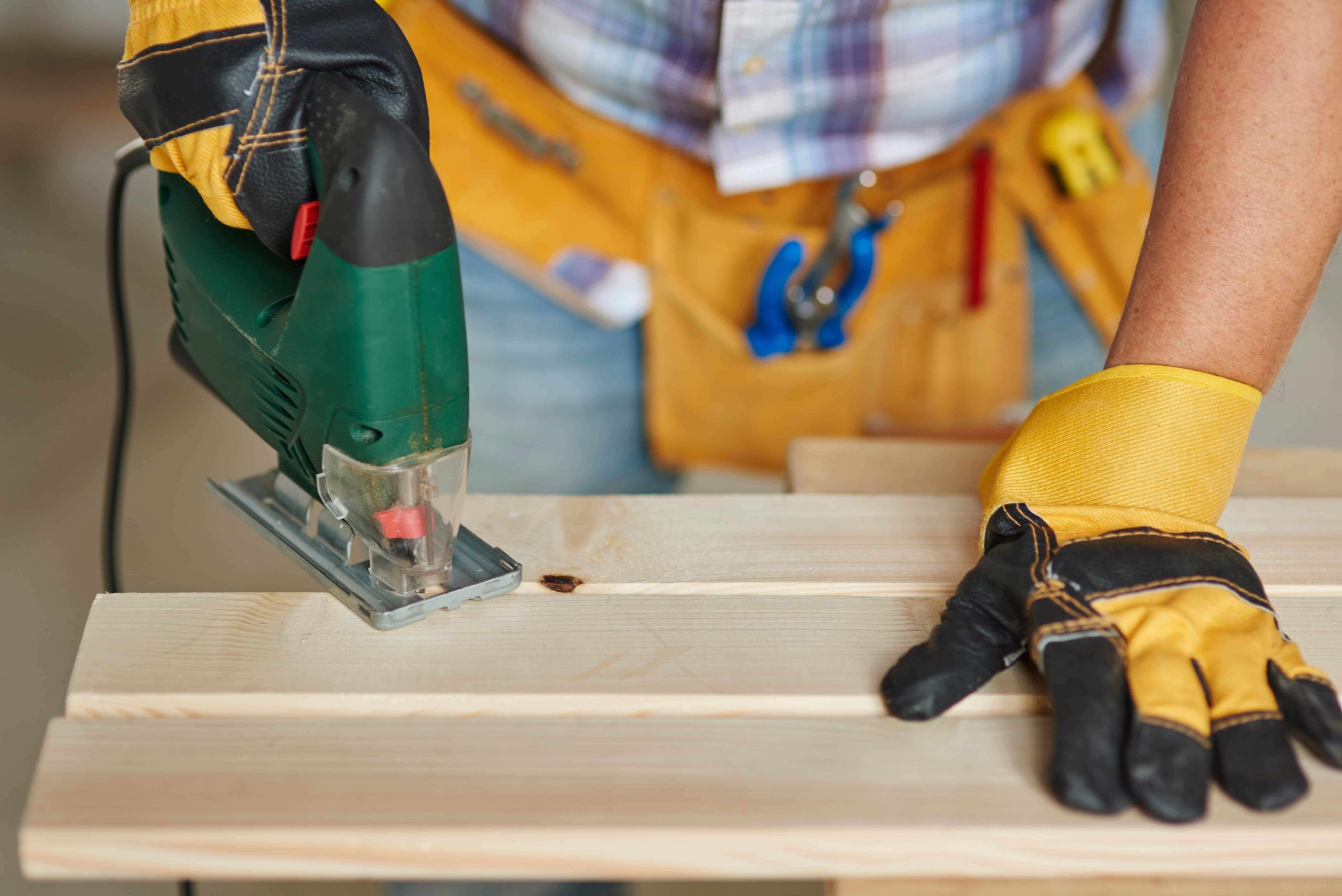
Professional carpenters spend years mastering their trade through practical experience. They understand how different timber species respond to Singapore’s humid climate. This knowledge helps them select materials that resist warping, cracking, and premature wear over time. Many have inherited carpentry skills from previous generations, preserving valuable techniques refined across decades. This level of expertise cannot be replaced by watching a few online tutorials. An expert carpenter for interiors handles complex joinery, bespoke fittings, and structural challenges with confidence. They visualise the finished result before making the first cut, ensuring every detail contributes to outstanding workmanship.
Precision and Attention to Detail
Trained carpenters achieve a level of precision that is difficult for amateurs to match. They measure carefully, cut accurately, and ensure every joint fits securely. Their finished work features clean edges, seamless connections, and smooth surfaces that remain attractive for years. This attention to detail is especially important for built-in furniture, where every measurement must align perfectly with walls, ceilings, and flooring. Careful craftsmanship ensures both functionality and a refined appearance.
Avoiding Costly Mistakes
A single incorrect measurement can waste expensive materials and create unnecessary delays. Professional carpenters minimise these risks through careful planning, accurate calculations, and proven installation methods. Their reputation depends on delivering reliable workmanship and consistent quality. This commitment encourages them to maintain high standards throughout every stage of the project. By avoiding common mistakes, homeowners save both time and money while enjoying a better-quality finish that lasts.
Working with Local Conditions
Singapore’s warm, humid climate presents ongoing challenges for timber and wood-based materials. Excess moisture can lead to warping, swelling, mould growth, and gradual deterioration if unsuitable materials are used. Professional carpenters understand these local conditions and carefully select timber, laminates, and protective finishes that perform well in the environment. They also apply suitable sealants and coatings to minimise moisture absorption. These preventative measures help preserve the appearance, durability, and structural integrity of woodwork for many years.
Custom Solutions for Unique Spaces
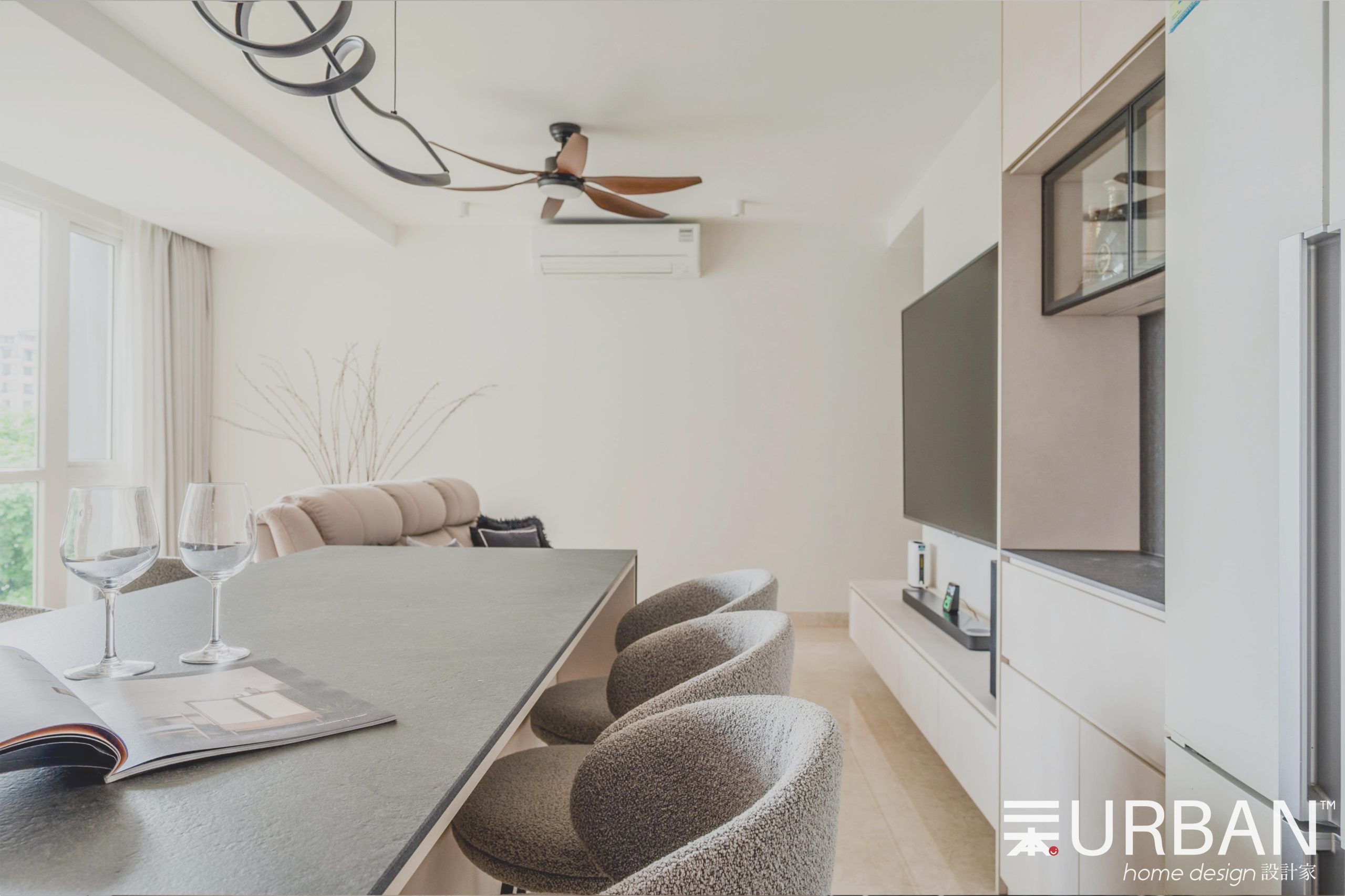
Every flat in Singapore has its own layout, with awkward corners and compact spaces that benefit from customised solutions. Standard furniture often leaves unused areas or fails to maximise available storage. A professional carpenter creates bespoke furniture designed to fit each room perfectly while complementing the home’s overall style.
- Custom carpentry fits HDB flats with challenging layouts beautifully.
- Professional carpenters study how families use their living spaces daily.
- Built-in furniture provides additional storage without reducing floor space.
- Bespoke pieces become lasting features that enhance every room.
- Smart planning eliminates wasted space around or behind furniture.
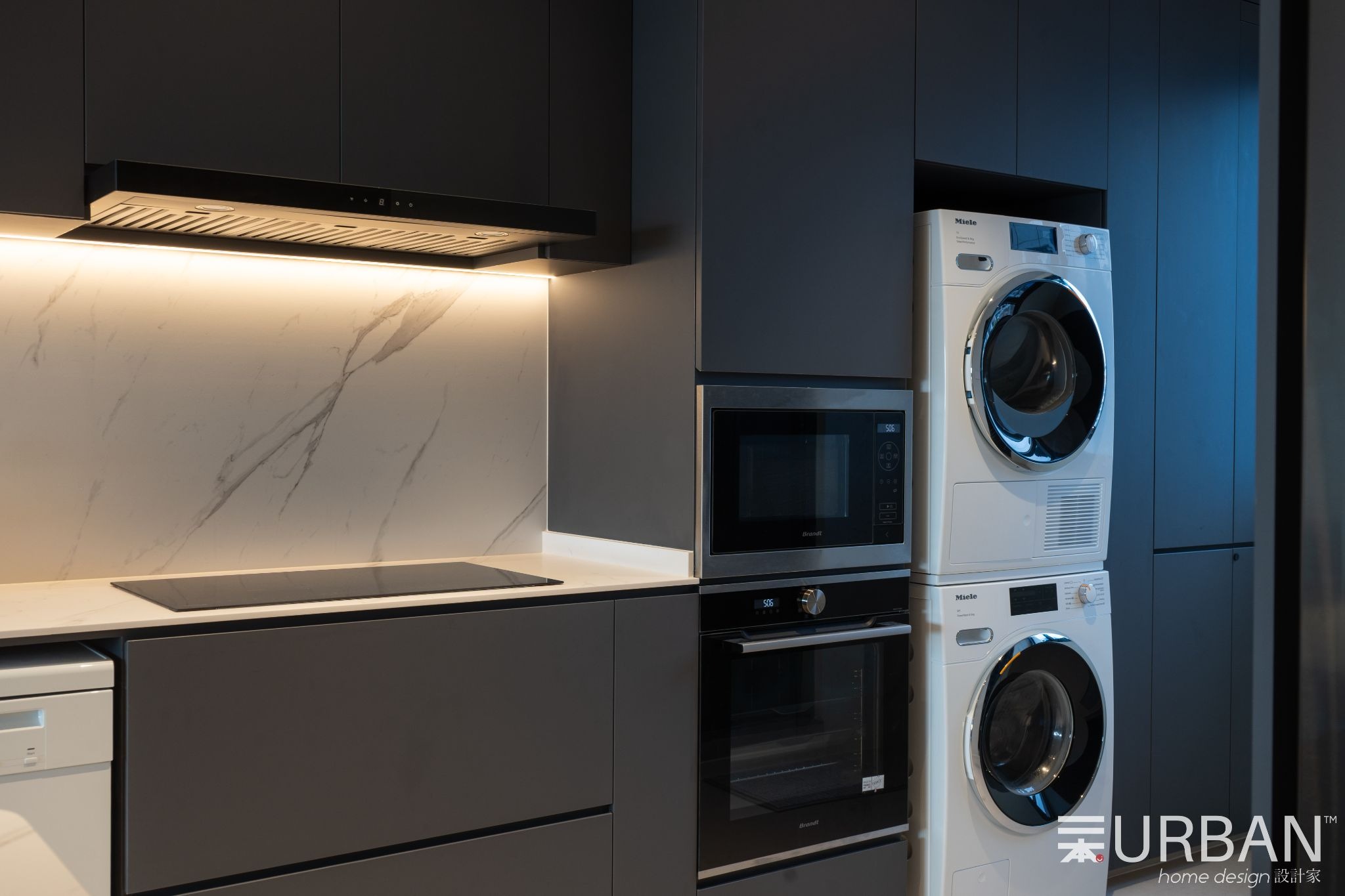
This personalised approach ensures every corner of the home serves a practical purpose. During the planning stage, the carpenter carefully considers daily routines, movement within the home, and future storage needs. Their designs blend seamlessly with existing interiors, creating a cohesive appearance that feels both functional and visually appealing.
Time and Cost Savings Over the Long Run
Hiring a professional carpenter may involve a higher upfront investment than attempting DIY work. However, the long-term value becomes clear through greater durability and reduced maintenance costs. High-quality workmanship can last for decades without requiring significant repairs or replacement. Poorly constructed furniture, by comparison, often deteriorates after only a few years of everyday use, resulting in unnecessary expense and inconvenience.
- Professional workmanship adds lasting value to the home.
- Quality materials withstand daily wear for many years.
- Skilled carpenters identify and resolve problems before they become major issues.
- Time saved allows homeowners to focus on family and other priorities.
- Good interior design in Singapore depends on quality carpentry.
Professional carpenters use premium materials and proven techniques that deliver dependable results over time. Their experience enables them to anticipate potential issues before they arise, helping homeowners avoid expensive repairs in the future. The initial investment is rewarded with durable craftsmanship, improved functionality, and timeless appeal that continues to add value to the home for many years.
Safety and Compliance Considerations
Professional carpenters understand the safety requirements that apply to home renovation projects. They know which walls are structural and which can be safely modified. Their work complies with relevant building regulations and industry guidelines, helping homeowners avoid unnecessary risks and future legal issues.
- DIY carpentry can result in unstable shelving or poorly secured fittings.
- Professional carpenters ensure every installation meets recognised safety standards.
- Appropriate insurance protects both the carpenter and the homeowner throughout the project.
- Correct installation reduces the risk of accidents and household injuries.
- Compliance with regulations helps prevent costly disputes or penalties.
The peace of mind that comes with professional workmanship makes the investment worthwhile. Homeowners can feel confident knowing their renovation has been completed safely, professionally, and in accordance with accepted standards. This reassurance allows them to enjoy their newly renovated living spaces without worrying about future structural, safety, or maintenance concerns.
Frequently Asked Questions
How do I find a reliable carpenter for my home?
Look for carpenters with positive customer reviews, a portfolio of completed projects, and experience handling similar work. Ask for references where possible, compare quotations, and inspect previous workmanship before making your final decision.
What questions should I ask before hiring a carpenter?
Ask whether the carpenter has completed similar projects, which materials they recommend, and whether they provide a workmanship warranty. You should also request a clear project timeline and understand how unexpected changes or issues will be managed.
Do I need an interior designer as well as a carpenter?
An interior designer develops the overall design concept, including the layout, finishes, and functionality of the space. The carpenter then uses specialist woodworking skills and practical expertise to fabricate and install the customised features according to the approved design.
How long does custom carpentry work typically take?
The timeline depends on the project’s complexity and the amount of custom work required. Most bespoke carpentry projects take around three weeks, from design approval to fabrication and final installation, although larger or more detailed projects may require additional time.
Recommended for you

Singapore’s Top Interior Design Companies for Homes & Commercial Space in 2026
September 1, 2026
No Comments
Read More »